



Venezuelan President Nicolás Maduro rejected what he called a “slave’s peace” as thousands of supporters rallied in Caracas, a show of strength amid mounting pressure from the United States. The display in the capital followed an ultimatum reported Monday in which U.S. President Donald Trump said Venezuelan airspace should be considered “closed in its entirety.” The sharpened rhetoric, delivered within 24 hours on opposite sides of the Caribbean, deepened concerns about a rapid escalation that could unsettle the region. Maduro framed his stance as a defense of sovereignty and warned against what he portrayed as foreign interference. Trump’s warning, aimed squarely at the Maduro government, added to a tense standoff that observers fear could move beyond words if neither side shifts course. Both leaders signaled firm positions, leaving limited space for compromise in the near term.
The rally took place in Caracas on Tuesday, according to Al Jazeera. The airspace ultimatum came on Monday, according to a report by The Post Millennial. The back-to-back developments tightened the timeline for any diplomatic gestures, while drawing fresh attention to the risks of confrontation.
A Defiant Rally in Caracas
Maduro used the Caracas rally to cast the crisis as a fight for national dignity. Addressing the crowd, he rejected what he called a “slave’s peace,” a phrase that underscored his refusal to accept terms he views as imposed from outside. Al Jazeera reported that thousands filled the streets to back the president as concerns grew over potential U.S. military action. The turnout gave Maduro a public stage to project control and to rally his base at a moment of intense scrutiny.
The message from the stage focused on resisting pressure and holding ground. By emphasizing sovereignty and resistance, Maduro sought to frame the confrontation as a national cause rather than a strictly political dispute. The crowd’s size, as reported by Al Jazeera, supported the image of a government ready to push back against external threats. The rally served both as a rebuttal to Washington and as a signal to domestic opponents that Maduro intends to keep a tight grip.
U.S. Ultimatum on Venezuelan Skies
In Washington’s most direct warning in recent days, Trump announced that Venezuelan airspace should be considered “closed in its entirety,” The Post Millennial reported. The statement served as an ultimatum to Maduro, raising questions about how U.S. authorities might enforce it and what it would mean for air carriers, overflights, and logistics. The report did not detail specific enforcement steps, timelines, or exemptions.
The airspace warning marked an escalation in tone and scope. By invoking total closure, the message suggested a broader reach than a targeted flight restriction. Analysts often note that airspace measures can complicate both civilian and government operations, but the practical impact depends on how they are implemented. Without public details on how authorities would implement the warning, the ultimatum primarily served as a political and strategic signal that the White House plans to ratchet up pressure on Caracas.
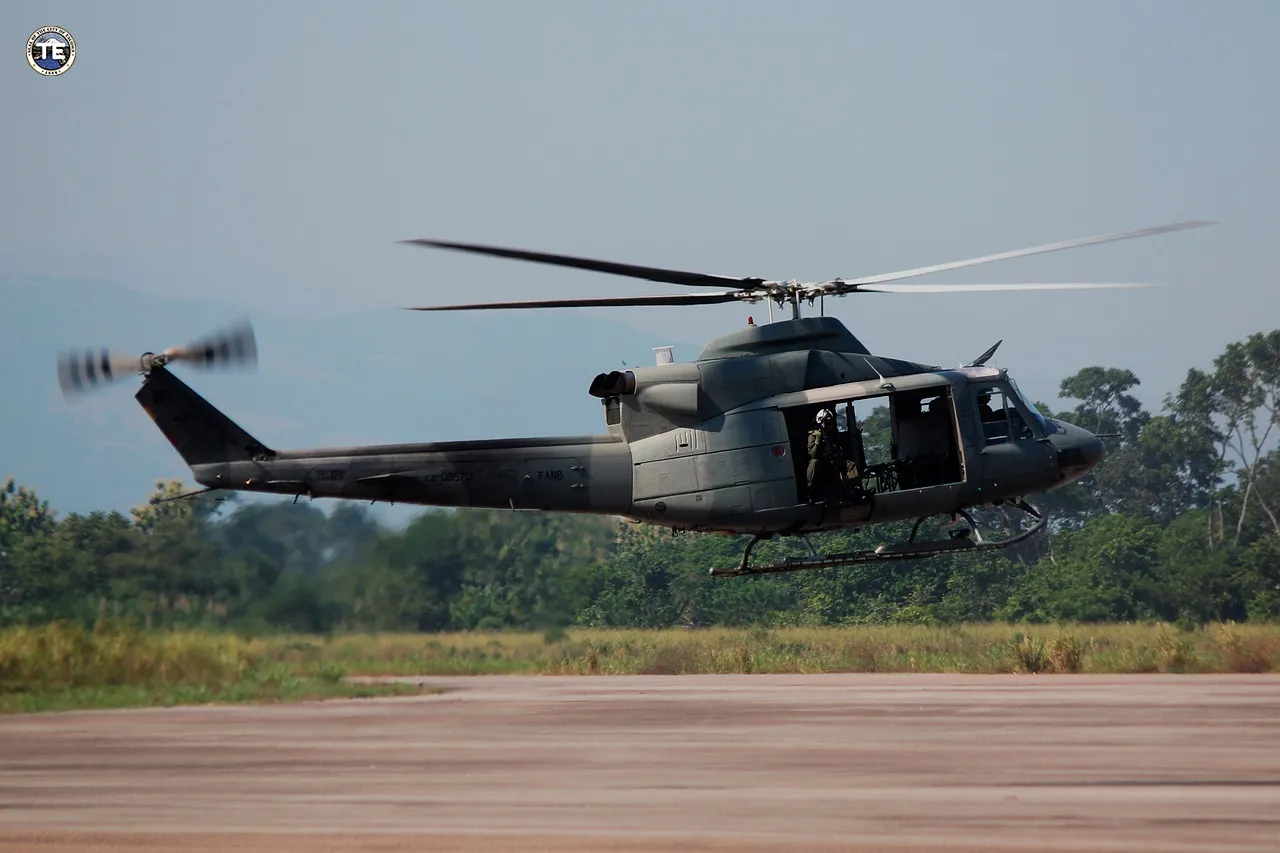
Tense Exchanges Stoke Fears of Military Option
Al Jazeera reported growing concern over potential U.S. military action as the war of words intensified. When leaders adopt hard-line language, the risk grows that one side misreads the other’s intentions. The rapid sequence of statements — a rally in Caracas coupled with a U.S. airspace ultimatum — suggested limited appetite for immediate compromise. That dynamic often produces long standoffs, with both sides testing resolve.
Clear communication and defined red lines can reduce miscalculation, but harsh rhetoric makes that task harder. Each side now frames its position as a defense of core interests — sovereignty for Caracas and regional pressure for Washington. In that environment, minor incidents can take on outsized meaning. Regional governments and international bodies typically watch such escalations closely because swift changes in aviation, border, or maritime policy can have cross-border effects.
What an Airspace Closure Could Mean
If enforced, a declaration that Venezuelan airspace is “closed in its entirety” could disrupt civilian overflights and complicate flight planning for airlines and cargo carriers that use routes across northern South America. Airspace controls can also affect medical evacuations, aid flights, and energy logistics, which often rely on predictable corridors and schedules. In some crises, parties arrange limited exceptions for humanitarian needs, but such decisions depend on formal notices and negotiated terms.
Regulators and operators usually look for official directives, notices to air missions (NOTAMs), and clear guidance on compliance. Without those steps, companies may adopt a cautious approach to routing and insurance, even before governments issue binding orders. The pace and clarity of follow-on actions often determine whether warnings remain symbolic or trigger immediate, wide-reaching operational changes.
Maduro’s Messaging and Political Ground Game
By rejecting a “slave’s peace,” Maduro positioned himself against what he portrays as unequal or imposed conditions. He framed the conflict as a matter of dignity and independence, a theme that can mobilize supporters and shift debate away from policy specifics. The rally’s imagery — thousands in the streets, speeches aimed at national pride — supported that narrative, Al Jazeera reported. For Maduro, public shows of support can reinforce the idea that he commands a loyal base despite outside pressure.
Domestically, the rally signaled that the government can still organize significant events and set the political agenda. Internationally, the phrasing sent a message that Caracas will not accept terms it views as undermining sovereignty. That stance complicates diplomacy by narrowing the set of acceptable proposals. The sharper the language, the harder it becomes for either side to claim a face-saving step back.
Escalation Risks and Paths to De-escalation
Sharp exchanges can trigger a cycle in which each side answers strength with strength. Public ultimatums and defiant speeches often leave little room for quiet negotiation, especially when leaders present their positions as non-negotiable. In that context, missteps — whether in airspace, at sea, or along borders — can escalate quickly. Al Jazeera’s reporting on fears of potential U.S. military action reflects that risk calculus.
At the same time, periods of peak tension sometimes give way to direct talks or third-party messaging. Even strong public positions can coexist with back-channel communication if stakeholders see costs rising. Signals to watch include formal policy documents, aviation notices, and any statements that clarify scope, duration, or exemptions. Small, technical steps can create space for broader discussions without forcing either side to change core messages in public.
What to Watch Next
Attention now turns to whether Washington publishes specific measures to carry out the airspace warning and whether Caracas responds with new steps of its own. Clear rules, official notices, and coordinated statements would define how the ultimatum affects airlines, cargo operators, and humanitarian flights. Without such details, uncertainty will continue to shape decisions by companies and travelers.
In Caracas, further rallies or speeches could reveal how the government plans to sustain support and manage outside pressure. Any sign of contact between the two sides — either direct or through intermediaries — would signal that both recognize the costs of prolonged confrontation. For now, both capitals appear committed to firm lines, with little public sign of a near-term shift.
The latest exchanges underscore a stark divide: Maduro shows no interest in terms he views as demeaning, and Trump signals willingness to tighten pressure quickly. The rally in Caracas and the airspace ultimatum came within a day of each other, amplifying the sense of momentum toward a more dangerous phase. Clear, detailed policies could reduce uncertainty for airlines and citizens, but only dialogue can address the core dispute. Without a change in tone or a channel for talks, the risk of miscalculation will remain high. Governments across the region, carriers, and aid groups will watch for concrete steps and credible signals that the two sides intend to keep this confrontation from crossing into a wider crisis.



Carl Riedel is an experienced writer and Open Source Intelligence (OSINT) specialist, known for insightful articles that illuminate underreported issues. Passionate about free speech, he expertly transforms public data into compelling narratives, influencing public discourse.
Related posts:
 Trump Enacts Bold Immigration Measures Amidst Rising Tensions in Chicago
 Trump Rejects Strike Plans on Venezuela as U.S. Warships Mass in the Caribbean
 Tech Stocks Rally as Nvidia and AI Chip Makers Lead the Charge
 Hunger Strike Highlights Desperation at Tacoma Detention Center
 The Rising Crisis of Deepfake Exploitation
 Crypto Heist Escalates Tensions Between Israel and Iran
 Global Tensions Surge as U.S. Lawmakers Condemn Trump’s Military Action on Iran
 Global Tensions Escalate as Israeli Assault on Gaza Intensifies and Brazil Joins International Legal Action